
The British kitchen has changed. It used to be a small, utilitarian room at the back of the house—a place where food was boiled, tea was brewed, and guests were rarely invited. Today, thanks to the popularity of open-plan living and those ubiquitous side-return extensions on Victorian terraces, the kitchen is the absolute heart of the home. It’s where the kids do homework, where we catch up over a glass of wine, and where the modern family lives.
In this evolution, the kitchen island has become the undisputed king of the room. But not just any island. There’s one design feature that has moved from the pages of glossy magazines like Livingetc and Grand Designs into the homes of style-conscious Brits everywhere: the Waterfall Island.
But what exactly is it? And is it just a passing fad, or a solid investment for your property? This guide explains everything you need to know. We’ll explore five distinct ways a waterfall island can transform your living space, dive into the technical nitty-gritty of how they’re built, and help you decide if this architectural showstopper is right for your home.
What’s a Waterfall Island?
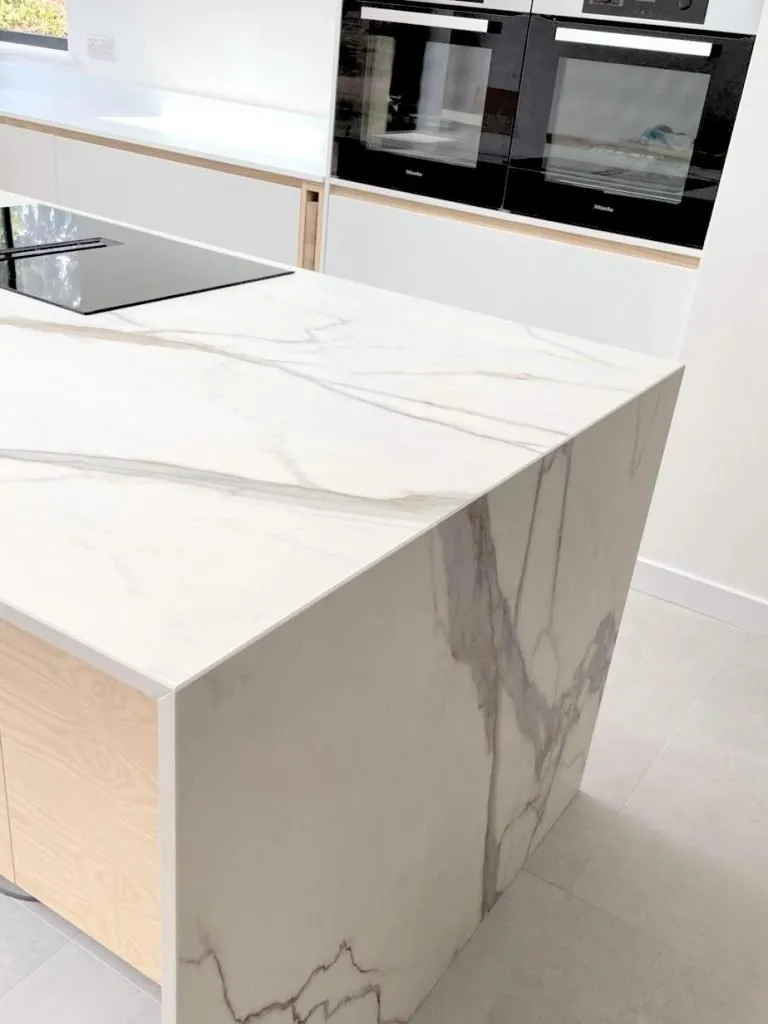
Before we get into the “why,” let’s clarify the “what.”
On a standard kitchen island, the worktop stops at the edge of the cabinets. You might have a little overhang, but essentially, looking at the side of the island, you see the side of a cupboard or a decorative end panel made of wood or MDF.
A waterfall island is different. Here, the worktop material doesn’t stop at the edge. Instead, it turns a corner and flows vertically down the side of the island, all the way to the floor. Ideally, the pattern or “veining” of the stone flows continuously from the top surface down the side, creating the illusion of a single, fluid sheet of stone cascading over the edge like water over a cliff. Hence the name: waterfall.
It sounds simple, but this one design choice packs a massive punch. Here are the five ways it can completely change the feel and function of your home.
1. The Visual Anchor: Creating a “Wow” Factor
The first and most obvious impact of a waterfall island is aesthetic. It is a statement piece. In a world where many kitchens can look quite similar—shaker cabinets, integrated appliances, sensible flooring—a waterfall edge adds a layer of drama and luxury that’s difficult to beat.
The Art of Seamlessness
In design, “visual clutter” is the enemy of calm. Standard islands have a lot of visual “stops and starts.” You have the floor, then the plinth (kickboard), then the cabinet side, then the worktop edge. That’s four different horizontal lines just on the end of one unit.
A waterfall island removes that noise. You get one clean, continuous line from the floor, up the side, and across the top. This minimalism makes the kitchen feel tidier, sleeker, and more designed. It treats the stone not just as a surface to wipe crumbs off, but as a piece of sculpture.
Highlighting Natural Beauty
If you are spending a significant amount of money on a beautiful piece of granite, marble, or high-end quartz, why limit it to the horizontal plane? A waterfall edge puts the material on display.
- Vertical Drama: When you walk into the room, you aren’t just looking at the thin edge of the worktop; you’re faced with a large, vertical slab of beautiful stone.
- Light Play: Vertical surfaces catch the light differently from horizontal ones. In a British extension, often lit by skylights or bi-fold doors, the light washing down the side of a waterfall island can highlight the texture and depth of the material.
Top Tip: If you choose a material with strong veins (like a Calacatta marble look), the “flow” is crucial. We’ll talk about “vein matching” later, but getting this right is the difference between a masterpiece and a mess.
2. Zoning the Open Plan: The “Full Stop” Effect
We Brits love knocking down walls. Whether you live in a new-build detached house in the Midlands or a renovated terrace in Fulham, chances are you are dealing with “open-plan” or “broken-plan” living. While open space is great, it can sometimes feel unstructured.
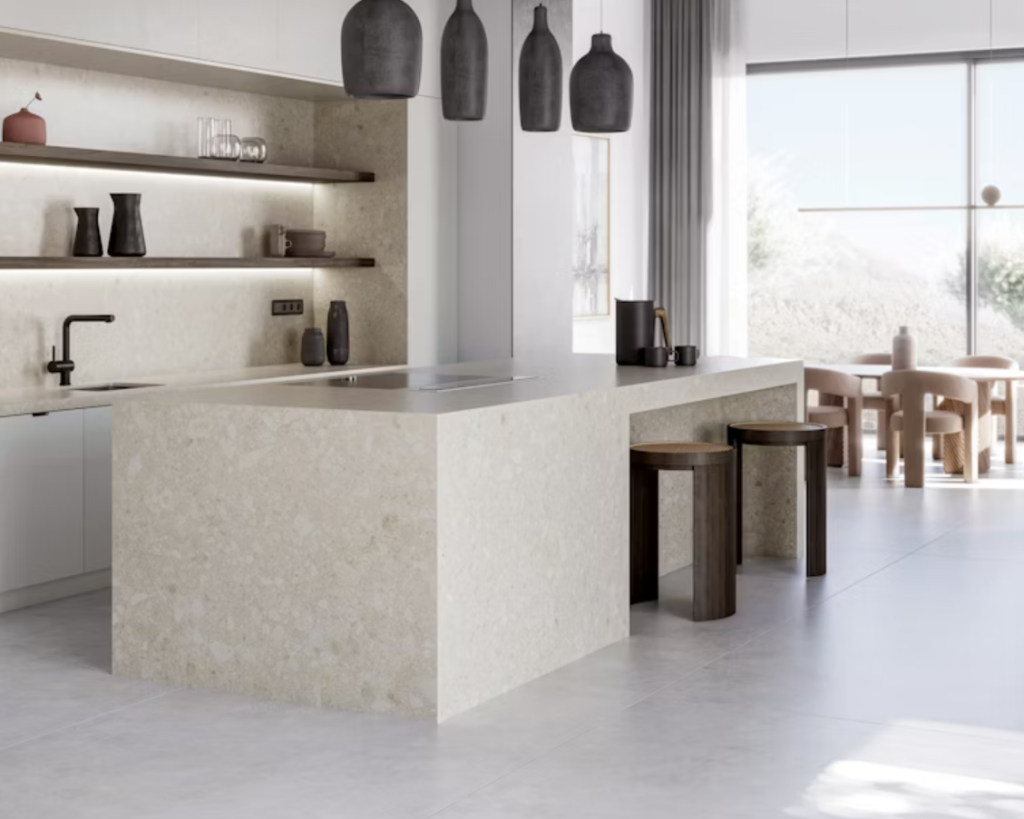
Defining the Kitchen Space
In a large room that serves as a lounge, dining room, and kitchen, you need visual cues to tell you where one zone ends and another begins. A standard island can sometimes look a bit like a piece of office furniture floating in the middle of the room.
A waterfall island acts as a visual “full stop.” By wrapping the cabinets in stone, it grounds the kitchen area. It signals clearly: “This is the cooking zone. Everything past this stone wall is for relaxing.”
Hiding the Working Parts
Kitchens are messy. They’re full of cupboards, appliances, and bins.
- The Shield: A waterfall end panel acts as a shield. From the living room sofa, instead of looking at the side of a cabinet (which might get scuffed or fade in the sun), you’re looking at a pristine wall of stone.
- Appliance Concealment: If your island houses a wine fridge or a dishwasher at the end, a waterfall edge completely hides the side profile of these appliances, keeping the look elegant rather than functional.
3. The Armour Plating: Durability and Protection
While we love talking about aesthetics, our homes are busy places. We have muddy dogs, kids running around with school bags, and the occasional hoover bashing into the furniture.
Defending the Cabinetry
The sides of a standard kitchen island are vulnerable. They are usually made of painted wood or a laminate skin.
- The Scuff Problem: If you have bar stools at the end of your island, shoes will inevitably kick the panel. Over time, painted wood chips, and laminate can peel.
- The Stone Solution: Stone (especially quartz or sintered stone) is incredibly hard. By wrapping the side of the island in worktop material, you’re effectively armour-plating your furniture. A muddy welly boot or a toddler’s plastic toy is going to bounce right off a quartz waterfall leg without leaving a mark.
Water Resistance
In a busy kitchen, spills happen. Mops splash water against plinths. Damp cloths get left hanging. Wood swells when it gets wet; stone does not. A waterfall leg goes all the way to the floor, meaning the base of your island is impervious to water damage from mopping or spills. This is particularly useful in homes with hard flooring (tiles or wood) that gets mopped frequently.
4. The Social Hub: Elevating the “Breakfast Bar”
The phrase “breakfast bar” conjures up images of cramped counters in the 1990s. The waterfall island reinvents this concept, turning the overhang into a genuine piece of social furniture.
The Knee Space
To make an island comfortable to sit at, you need an overhang (usually about 300mm). On a standard island, this overhang is just a shelf sticking out. It works, but it can look a bit flimsy. With a waterfall design, you can have a “double waterfall”—where the stone goes down both sides of the island, framing the seating area. This creates a cozy, defined “cave” for legs and stools. It feels more like sitting at a bespoke table than perching at a workbench.
The Tactile Experience
There is something psychologically different about leaning on a solid block of stone versus a thin overhang. It feels permanent and substantial. When you have friends over for drinks, people naturally gravitate towards the island. The waterfall edge gives them something robust to lean against, making the kitchen the true social hub of the party.
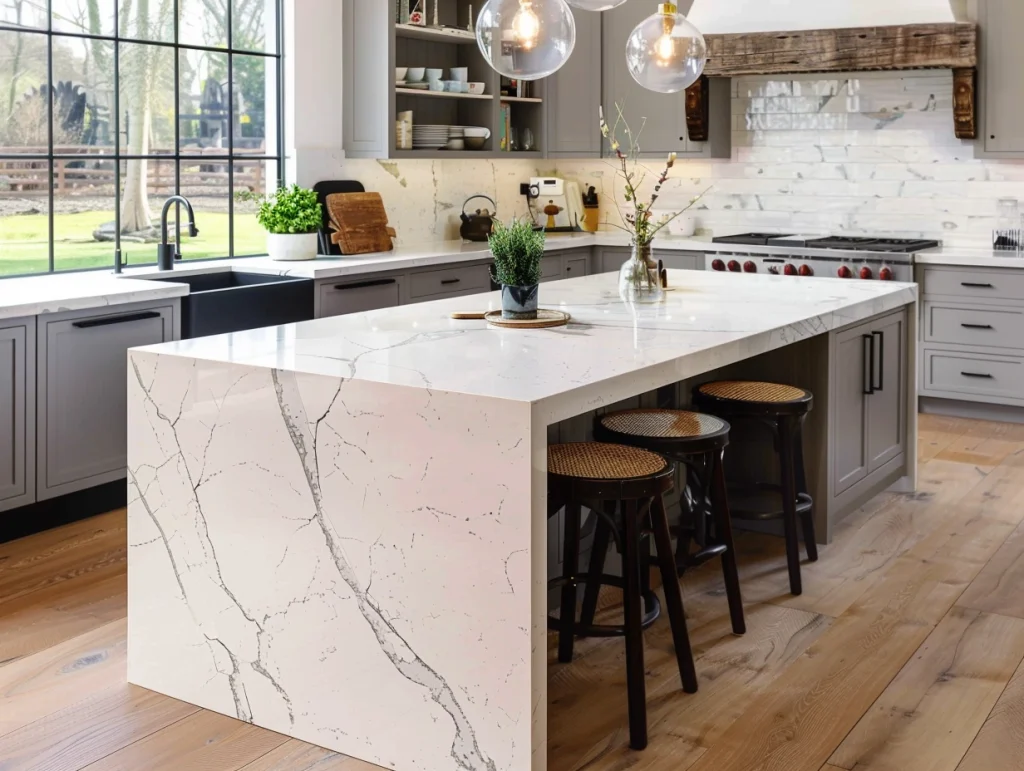
5. Adding Value: The Investment Angle
Let’s talk about money. Kitchens are expensive. In the UK, a new kitchen is one of the biggest investments you will make in your property. Does a waterfall island pay off?
The “High-End” Signal
In the property market, buyers make decisions in seconds. A waterfall island is a shorthand signal for “luxury.”
- Perceived Quality: When a buyer walks in and sees that stone wrapping down to the floor, they subconsciously assume that if the homeowner spent the money on that detail, the rest of the renovation was likely done to a high standard too.
- Differentiation: If you’re selling a flat or house in an area where housing stock is similar (like a street of Victorian terraces), having a “magazine-ready” kitchen can be the tie-breaker that sells your house over your neighbour’s.
Future-Proofing
Trends come and go. Remember avocado bathroom suites? Or farmhouse pine? However, natural stone (and stone-look finishes) tends to be timeless. A well-executed waterfall island in a neutral marble or quartz is unlikely to look “dated” in five or ten years. It’s a classic architectural form: simple, clean geometry that transcends fleeting trends.
The Technical Deep Dive: How It Works
Now that we know why you might want one, let’s look at how they’re actually made. This is the bit you need to understand so you can talk confidently to your kitchen designer or builder.
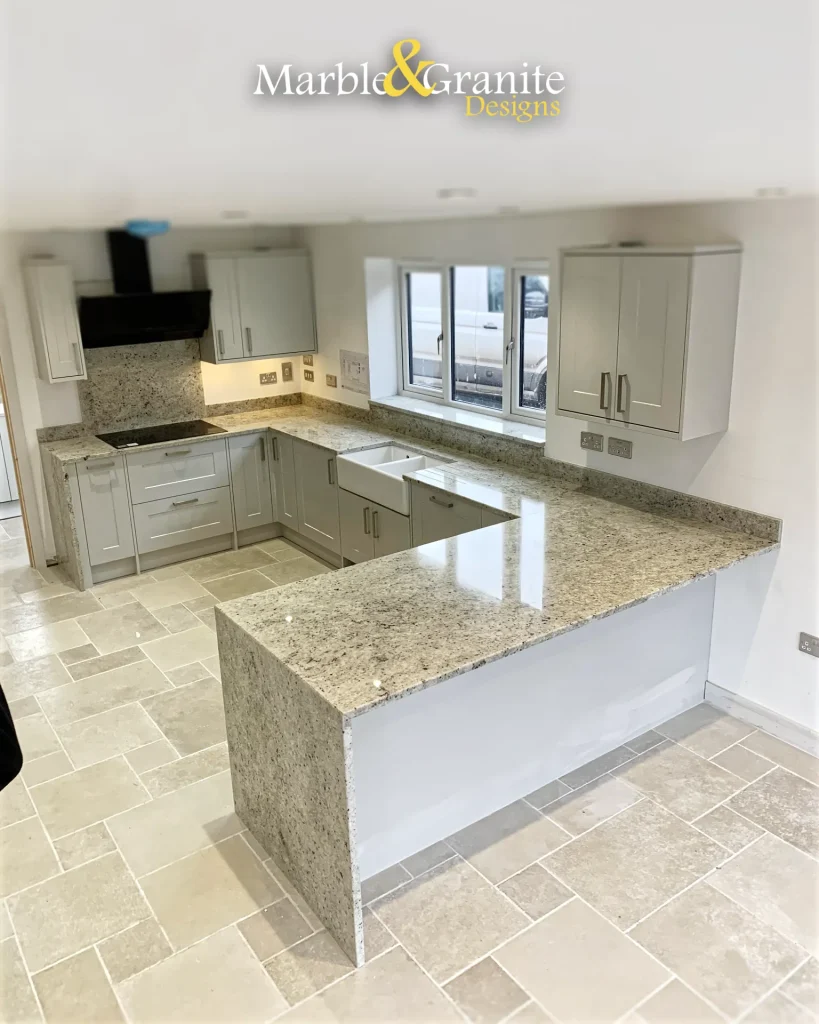
The Mitred Edge: The Secret Sauce
The critical part of a waterfall island is the joint where the top meets the side. You can’t just butt two pieces of stone together; it would look clunky and you would see the ugly seam. Instead, we use a Mitre Joint.
- The 45-Degree Cut: The edge of the top piece and the top of the side piece are both cut at exactly 45 degrees.
- The Lock: When they’re brought together, they form a perfect 90-degree angle.
- The Illusion: Because the joint is right on the corner, the seam becomes almost invisible. It looks like the stone has simply been folded over.
Vein Matching (The Make or Break)
This is where skill comes in. If you are using a material with a pattern (like marble veins), those veins must line up.
- Book-matching: If a vein runs off the edge of the worktop, it needs to continue seamlessly down the side panel. If the lines don’t match, the illusion is broken, and it looks like two separate slabs stuck together.
- The Cost Factor: Achieving this often requires buying an extra slab of stone to ensure the patterns align perfectly. This is one reason why waterfall islands cost more, it’s not just the extra square metres of material; it’s the wastage involved in getting the perfect match.
Support Structures
Stone is heavy. A slab of quartz can weigh hundreds of kilos. You can’t just glue it to the side of a cupboard and hope for the best.
- Sub-frame: Your kitchen fitter will usually build a timber or ply sub-frame that the stone is adhered to.
- Floor Levelling: This is a classic British problem. In older houses, floors are rarely level. If the floor dips, the heavy stone leg could crack. The installer must laser-level the floor and potentially use packers or a hidden plinth to ensure the stone is fully supported along its entire bottom edge.
Material Matters: What Should You Choose?
Not all materials are created equal when it comes to waterfall islands. Here’s a quick rundown of the most popular choices in the UK right now.
1. Quartz (The Crowd Favourite)
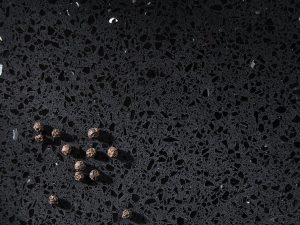


- What is it? Engineered stone made of crushed natural quartz and resin.
- Pros: Incredibly durable, stain-resistant, consistent patterns (making vein matching easier), comes in huge slabs. Brands like Silestone and Caesarstone are household names here.
- Cons: Can be damaged by extreme heat (don’t put a hot roasting tin directly on it).
2. Natural Marble (The Purist’s Choice)
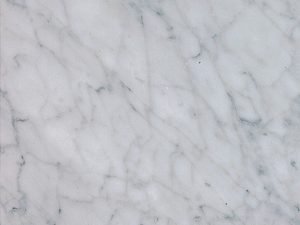
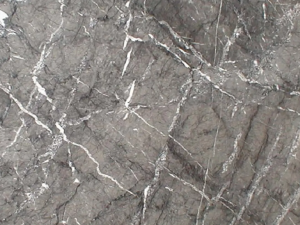
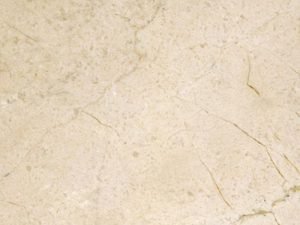
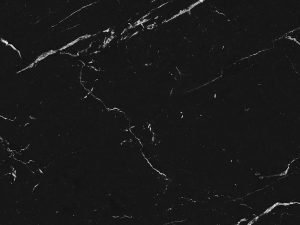
- What is it? Solid stone dug out of the ground (e.g., Carrara or Calacatta).
- Pros: Unbeatable natural beauty. Every piece is unique. The “real deal.”
- Cons: Porous. It stains easily (red wine and curry are enemies) and “etches” if you spill acid like lemon juice or vinegar. High maintenance.
3. Sintered Stone / Porcelain (The Newcomer)


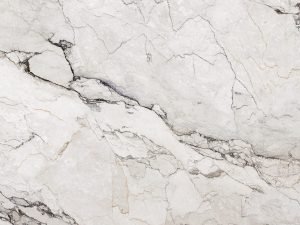
- What is it? Minerals and stone particles “cooked” at extreme temperatures (like man-made lava). Brands include Dekton and Neolith.
- Pros: Bomb-proof. You can scratch it, burn it, freeze it, and it won’t care. It can also be made very thin (12mm or 20mm) for a sleek, modern look.
- Cons: The pattern is usually only printed on the surface (though some newer versions go through the body). The edge detail needs careful finishing so you don’t see the white “biscuit” inside.
Practical Considerations for British Homes
Before you ring your builder, here are a few final practicalities to consider.
1. The Socket Situation
Building regulations require electrical sockets in kitchens. On a standard island, you stick a socket on the side panel. On a waterfall island, you don’t really want to cut a hole in your expensive stone.
- Solution A: Pop-up sockets in the worktop (though these can trap crumbs).
- Solution B: Hide the sockets under the overhang of the seating area.
- Solution C: Use a matching stone “faceplate” to camouflage the socket, though this is very fiddly and expensive.
2. The Cost Reality
How much extra does it cost? There’s no fixed price, but generally, adding two waterfall ends to an island will increase your worktop costs by 40% to 60%. You’re paying for:
- Extra Material: The square footage of the sides.
- Fabrication: The complex mitre cuts and polishing.
- Installation: It takes longer to fit.
3. The “Toe Kick” Dilemma
When you stand at a counter, your toes naturally go into the recess (plinth) at the bottom. With a waterfall panel that goes straight to the floor, there is no recess.
- The Fix: This is fine on the ends of the island where you don’t usually work. But on the working side (where the sink/hob is), the waterfall edge usually stops, or the stone is cut with a recess to allow for comfortable standing.
Conclusion: Is It Right For You?
A waterfall island is more than just a trend. It’s a design solution that solves visual clutter, protects your cabinetry, and zones your living space. For the modern British home, where the kitchen is on display 24/7, it transforms a functional utility area into a piece of architecture.
Yes, it costs more. And yes, it requires skilled installation. But if you want a kitchen that feels finished, luxurious, and built to last, letting that stone flow over the edge might just be the best design decision you make.
So, go on—take the plunge.
Further Reading and Resources
For more inspiration and technical advice on planning your British kitchen renovation, consider visiting these respected resources:
- Houzz UK – A massive directory of real UK home projects. Search “Waterfall Island” in the photos section to see thousands of examples in British homes.
- Grand Designs Magazine – The companion to the TV show, offering deep dives into self-builds and high-end renovations.
- Real Homes – Excellent, down-to-earth advice on budgeting, extensions, and practical renovation tips for the average homeowner.
- The Kitchen Bathroom Bedroom Specialists Association (KBSA) – Use this to find accredited, trustworthy kitchen retailers and installers in your local area.
- Caesarstone UK / Silestone UK – Visit the manufacturers’ sites directly to order samples and see the full range of stone designs available.
 Concrete-effect
 Granular
 Industrial-effect
 Marble-effect
 Solid Colour
 Stone-effect
 Terrazzo
 Wood-effect
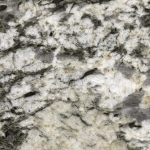 Natural Granite
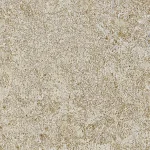 Natural Limestone
 Natural Marble
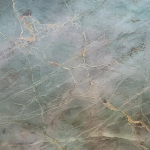 Natural Quartzite
 White
White Grey
Grey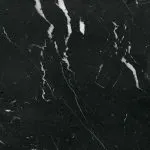 Black
Black Beige
Beige Brown
Brown Cream
Cream Off-white
 Blue
Blue Gold
Gold Yellow