
Biophilic design is an approach to architecture and interior design that seeks to connect building occupants more closely to nature. This design philosophy incorporates natural elements into built environments, promoting physical and psychological well-being. The term “biophilia” was popularised by biologist E.O. Wilson in the 1980s, who suggested that humans have an inherent affinity for nature. It leverages this natural affinity to create healthier and more enjoyable spaces.
Key Principles of Biophilic Design
- Incorporation of Natural Elements:
- Direct Nature: Integrating elements like plants, water features, natural light, and fresh air into the design.
- Indirect Nature: Using natural materials (wood, stone), natural patterns, and nature-inspired colours and textures.
- Nature Views and Connections:
- Providing visual access to nature through windows, skylights, and transparent walls.
- Ensuring that building occupants have views of outdoor landscapes, gardens, and other natural settings.
- Natural Shapes and Forms:
- Incorporating organic shapes and forms, such as curves and asymmetrical shapes, that mimic natural environments.
- Using biomorphic forms and patterns that evoke natural designs, such as leaf shapes or wave patterns.
- Natural Patterns and Processes:
- Integrating patterns and textures that reflect natural growth, weathering, and erosion.
- Using fractals, which are patterns that repeat at different scales, similar to those found in nature.
- Light and Space:
- Maximizing natural light through windows, atriums, and light wells.
- Designing spaces that mimic the variability of natural environments, such as the play of light and shadow.
- Place-Based Relationships:
- Creating designs that reflect the local environment and culture.
- Using locally sourced materials and design elements that are unique to the geographic area.
Benefits of Biophilic Design
- Enhanced Well-Being:
- Exposure to natural elements has been shown to reduce stress, improve mood, and enhance overall well-being.
- It can contribute to mental health by providing calming and restorative environments.
- Increased Productivity:
- Studies have demonstrated that biophilic environments can improve concentration, creativity, and productivity.
- Natural light and views of nature can reduce fatigue and enhance cognitive function.
- Improved Health:
- Access to natural light helps regulate circadian rhythms, leading to better sleep patterns and overall health.
- Improved air quality from natural ventilation and plants can reduce the incidence of respiratory issues.
- Sustainability:
- Biophilic design often involves sustainable practices, such as the use of natural and renewable materials.
- Incorporating green roofs, living walls, and natural ventilation systems can reduce energy consumption.
Applications of Biophilic Design
- Architecture:
- Buildings are designed to integrate seamlessly with their natural surroundings, typically using large windows, green roofs, and open spaces.
- Example: Bosco Verticale (Vertical Forest) in Milan, Italy, which incorporates hundreds of trees and thousands of plants into its structure.
- Interior Design:
- Interiors are designed with natural materials, ample natural light, and indoor plants.
- Example: Offices with indoor gardens, water features, and ample daylight to create a more pleasant working environment.
- Urban Planning:
- Cities are planned with green spaces, parks, and urban forests to enhance the quality of life for residents.
- Example: The High Line in New York City, a linear park built on a historic freight rail line elevated above the streets.
- Healthcare Facilities:
- Hospitals and clinics incorporate natural elements to promote healing and reduce stress for patients.
- Example: The Khoo Teck Puat Hospital in Singapore, designed with extensive gardens and water features to create a healing environment.
- Educational Institutions:
- Schools and universities use biophilic design to create environments that enhance learning and well-being.
- Example: The Biophilic Classroom at the University of Melbourne, which includes natural light, plants, and natural materials.
Challenges and Considerations
- Cost:
- Incorporating natural elements and sustainable practices can sometimes be more expensive upfront.
- However, the long-term benefits, such as reduced energy costs and improved occupant health, can offset initial expenses.
- Maintenance:
- Natural elements like plants and water features require regular maintenance to ensure they remain healthy and functional.
- Designing for easy maintenance is crucial to the long-term success of biophilic features.
- Climate and Environment:
- The local climate and environment can influence the feasibility of certain biophilic design elements.
- Designers must consider local conditions when planning natural features to ensure they thrive.
- Integration with Existing Structures:
- Retrofitting existing buildings with biophilic elements can be challenging.
- Creative solutions and careful planning are needed to integrate natural elements into older structures.
Conclusion
Biophilic design is a holistic approach to creating built environments that foster a connection with nature. By incorporating natural elements, views, shapes, patterns, and sustainable practices, it enhances well-being, productivity, and health. Its applications range from architecture and interior design to urban planning and healthcare. Despite challenges such as cost and maintenance, the benefits make it a compelling choice for creating healthier and more enjoyable spaces. As awareness of its positive impacts grows, biophilic design is likely to become an increasingly important aspect of sustainable and human-centred design.
 Concrete-effect
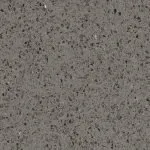 Granular
 Industrial-effect
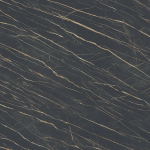 Marble-effect
 Solid Colour
 Stone-effect
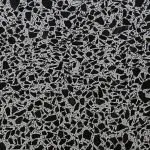 Terrazzo
 Wood-effect
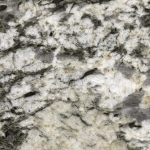 Natural Granite
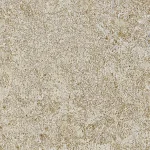 Natural Limestone
 Natural Marble
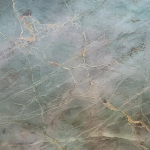 Natural Quartzite
 White
White Grey
Grey Black
Black Beige
Beige Brown
Brown Cream
Cream Off-white
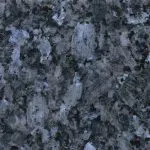 Blue
Blue Gold
Gold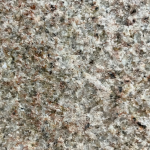 Yellow