
Metamorphic change refers to the process by which rocks undergo transformation due to significant changes in temperature, pressure, and chemical environments. This process, called metamorphism, alters the mineral composition and structure of the original rock (protolith) without melting it. Metamorphic changes occur deep within the Earth’s crust, where conditions differ drastically from the surface environment, leading to the formation of metamorphic rocks with unique properties and appearances.
Types of Metamorphism
There are several types of metamorphism, each driven by different geological processes and conditions:
- Contact Metamorphism:
- Occurs when rocks are heated by nearby magma or lava.
- The high temperatures cause the minerals in the rock to recrystallise without the need for high pressure.
- Typical of regions surrounding igneous intrusions.
- Results in non-foliated rocks like marble and quartzite.
- Regional Metamorphism:
- Takes place over large areas under conditions of high pressure and temperature.
- Usually associated with mountain-building processes where tectonic plates collide.
- Produces foliated rocks such as schist and gneiss due to the directional pressure that causes the minerals to align.
- Dynamic Metamorphism:
- Occurs due to mechanical deformation, often associated with fault zones.
- The pressure is typically more significant than the temperature increase.
- Results in rocks like mylonite, which exhibit a distinct texture due to intense shearing.
- Hydrothermal Metamorphism:
- Involves the interaction of rocks with hot, mineral-rich water.
- Common near mid-ocean ridges and geothermal areas.
- Alters the rock’s mineralogy and chemistry, forming rocks such as serpentinite.
- Burial Metamorphism:
- Occurs when rocks are deeply buried under sediments.
- The weight of the overlying materials increases pressure and temperature gradually.
- Typically forms low-grade metamorphic rocks like slate and phyllite.
Metamorphic Processes
Several processes contribute to the metamorphic transformation of rocks:
- Recrystallisation:
- The formation of new mineral grains that are larger than the original grains.
- Occurs without the rock melting, resulting in a more stable mineral structure.
- Phase Change:
- The transformation of one mineral into another mineral with the same composition but a different crystal structure.
- Example: graphite transforming into diamond.
- Pressure Solution:
- Mineral grains partially dissolve under high pressure and precipitate in areas of lower pressure.
- This process can result in the realignment of minerals and the development of foliation.
- Plastic Deformation:
- Under high temperatures and pressures, rocks can deform plastically, meaning they change shape without breaking.
- This process contributes to the development of foliated textures.
Metamorphic Rock Textures
The textures of metamorphic rocks vary based on the conditions of metamorphism and the original rock type:
- Foliated Texture:
- Characterised by a layered or banded appearance.
- Results from the alignment of mineral grains under directional pressure.
- Common foliated rocks: slate, schist, gneiss.
- Non-Foliated Texture:
- Lacks a layered structure and appears more uniform.
- Forms under conditions where pressure is not directional or in the absence of significant pressure.
- Common non-foliated rocks: marble, quartzite.
Common Metamorphic Rocks
- Slate:
- Fine-grained, foliated rock derived from shale.
- Formed under relatively low-temperature and low-pressure conditions.
- Used in roofing and flooring due to its durability and ease of splitting into thin sheets.
- Schist:
- Medium to coarse-grained foliated rock.
- Contains abundant platy minerals like mica, giving it a shiny appearance.
- Forms under higher temperatures and pressures than slate.
- Gneiss:
- Coarse-grained, foliated rock with alternating light and dark mineral bands.
- Formed under high-temperature and high-pressure conditions.
- Commonly used as a building material due to its strength and attractive appearance.
- Marble:
- Non-foliated rock derived from limestone or dolostone.
- Composed primarily of recrystallised calcite or dolomite.
- Valued in sculpture and architecture for its beauty and workability.
- Quartzite:
- Non-foliated rock formed from quartz-rich sandstone.
- Extremely hard and resistant to weathering.
- Used as a decorative stone and for making durable construction materials.
Significance of Metamorphic Rocks
Metamorphic rocks provide valuable insights into the geological history of the Earth. They reveal information about the conditions and processes that occurred deep within the Earth’s crust. Additionally, metamorphic rocks are economically important, serving as sources of valuable minerals and materials used in construction, art, and industry.
In conclusion, metamorphic change is a fundamental geological process that transforms existing rocks into metamorphic rocks with distinct properties and textures. Through various types of metamorphism and processes like recrystallisation and plastic deformation, these rocks record the dynamic conditions of the Earth’s interior, offering essential clues to our planet’s geological past.
 Concrete-effect
 Granular
 Industrial-effect
 Marble-effect
 Solid Colour
 Stone-effect
 Terrazzo
 Wood-effect
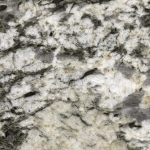 Natural Granite
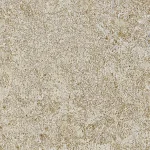 Natural Limestone
 Natural Marble
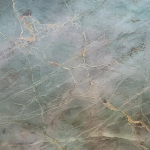 Natural Quartzite
 White
White Grey
Grey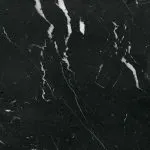 Black
Black Beige
Beige Brown
Brown Cream
Cream Off-white
 Blue
Blue Gold
Gold Yellow