
Scratch resistance refers to a material’s ability to withstand surface abrasion or scratching when subjected to physical contact with other objects. This property is particularly important for materials used in environments where they are prone to physical wear and tear, such as countertops, flooring, and various industrial applications. It ensures that the material maintains its aesthetic appeal and structural integrity over time.
Importance of Scratch Resistance
- Durability:
- Scratch-resistant materials are more durable, as they can withstand daily wear and tear without showing signs of damage.
- This property extends the lifespan of products and surfaces, reducing the need for frequent replacements or repairs.
- Aesthetic Maintenance:
- Scratches can mar the appearance of a material, making it look old and worn out.
- Scratch-resistant materials retain their original look for longer periods, ensuring they remain visually appealing.
- Hygiene and Cleanliness:
- Scratches can harbour dirt and bacteria, making it difficult to clean the surface thoroughly.
- Scratch-resistant surfaces are easier to keep clean and maintain, contributing to better hygiene.
- Value Retention:
- Products and surfaces that remain scratch-free hold their value better over time.
- This is particularly important in high-end applications like luxury countertops and automotive finishes.
Factors Influencing Scratch Resistance
Several factors determine the scratch resistance of a material:
- Hardness:
- The hardness of a material, typically measured using the Mohs scale, is a key determinant.
- Harder materials are more resistant to scratches. For example, diamond, with a Mohs hardness of 10, is highly scratch-resistant.
- Elasticity:
- Materials with good elasticity can absorb and dissipate energy from impacts, reducing the likelihood of scratches.
- Elastic polymers often exhibit good scratch resistance due to their ability to flex stressed.
- Surface Coatings:
- Protective coatings can enhance the scratch resistance of a material.
- These coatings create a hard, protective layer on the surface, preventing scratches from penetrating the underlying material.
- Chemical Composition:
- The chemical composition of a material can influence its resistance to scratches.
- Materials with strong intermolecular bonds and stable structures tend to be more resistant to scratches.
Testing Scratch Resistance
It’s typically assessed using standardised tests to ensure consistency and reliability. Common methods include:
- Mohs Hardness Test:
- This test ranks materials based on their ability to scratch or be scratched by other materials.
- It provides a comparative scale from 1 (talc) to 10 (diamond).
- Pencil Hardness Test:
- Utilises pencils of varying hardness to scratch the surface of the material.
- The highest hardness grade of pencil that does not scratch the surface determines the material’s scratch resistance.
- Scratch Test Machines:
- Automated machines apply a controlled force using a diamond-tipped stylus to scratch the surface.
- The depth and visibility of the scratch are measured to quantify it.
Applications of Scratch-Resistant Materials
Scratch-resistant materials are used in a wide range of applications across various industries:
- Kitchen Worktops:
- Materials like quartz, granite, and ultra-compact surfaces (e.g., Dekton) are preferred for their high scratch resistance.
- These surfaces maintain their appearance and functionality despite daily use.
- Flooring:
- Hardwood, laminate, and vinyl flooring often feature scratch-resistant coatings to withstand foot traffic and furniture movement.
- Electronics:
- Scratch-resistant glass, such as Gorilla Glass, is used in smartphones, tablets, and other electronic devices to protect screens from damage.
- Automotive:
- Car manufacturers use scratch-resistant coatings on paintwork to maintain the vehicle’s appearance and protect it from minor abrasions.
- Eyewear:
- Scratch-resistant coatings are applied to lenses in glasses and sunglasses to prevent scratches that can impair vision.
- Industrial Equipment:
- Tools and machinery typically feature scratch-resistant surfaces to endure harsh working conditions and maintain performance.
Enhancing Scratch Resistance
To improve it, manufacturers employ various techniques and materials:
- Surface Coatings:
- Applying hard coatings like ceramics, diamond-like carbon (DLC), or nano-coatings can significantly enhance scratch resistance.
- Material Selection:
- Choosing materials with high intrinsic hardness and stability, such as certain ceramics and metals, naturally increases scratch resistance.
- Composite Materials:
- Combining materials with complementary properties can result in composites that offer enhanced resistance alongside other beneficial traits.
- Surface Treatments:
- Techniques like heat treatment, ion implantation, and laser hardening can alter the surface properties of a material to improve its resistance to scratching.
In conclusion, scratch resistance is a vital property for materials exposed to physical wear and tear, contributing to their durability, aesthetics, and overall value. Understanding the factors that influence it and the methods to enhance it is crucial for developing and selecting materials for a wide range of applications, ensuring long-lasting performance and appearance.
 Concrete-effect
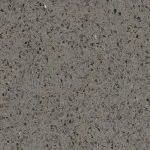 Granular
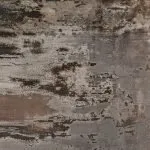 Industrial-effect
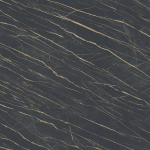 Marble-effect
 Solid Colour
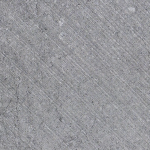 Stone-effect
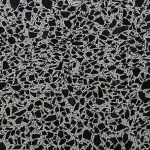 Terrazzo
 Wood-effect
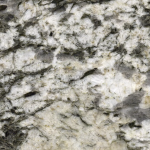 Natural Granite
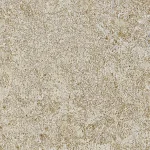 Natural Limestone
 Natural Marble
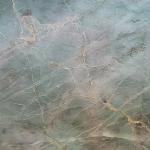 Natural Quartzite
 White
 Grey
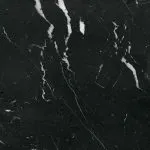 Black
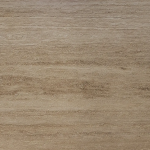 Beige
 Brown
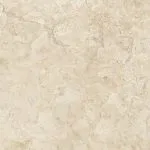 Cream
 Off-white
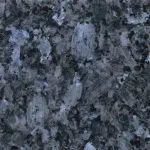 Blue
 Gold
 Yellow