
If the kitchen is the heart of the British home, the worktop is its backbone. It’s where the school packed lunches are assembled in a panic at 7:30 AM; where the Saturday night takeaway is dished out; where the Christmas turkey is carved; and where countless cuppas are brewed to solve the world’s problems.
For busy families, a worktop isn’t just a surface—it’s a battlefield. It needs to survive spilled Ribena, hot roasting tins, dropped mugs, and the occasional art project involving glitter and glue.
Two titans dominate this arena: Granite and Quartz.
Walk into any showroom from Wickes to a high-end independent stonemason, and you’ll be faced with this binary choice. They look similar. They feel cold and hard. They both cost a fair bit of money. But under the microscope, they’re vastly different beasts.
This isn’t just a comparison; it is the definitive guide to choosing the surface that will survive your family life. We’re going to look at the science, the costs, the “curry test,” and the “clumsy kid factor” to help you decide which stone deserves a place in your home.
1. The Contenders: What Actually Are They?
Before we pit them against each other, we need to understand what we’re dealing with. It’s the classic battle of Nature versus Science.
Granite: The Slice of Earth

Granite is 100% natural stone. It is igneous rock, which is a fancy way of saying “magma that cooled down.” It was formed millions of years ago, deep underground, under immense heat and pressure.
When you buy a granite worktop, you’re buying a literal slice of the Earth’s history. It’s mined from quarries in places like Brazil, India, and Italy, cut into massive blocks, sliced into slabs, and polished. No two pieces are ever identical. The swirling patterns (veining) and speckles you see are crystals of quartz, mica, and feldspar that fused together whilst dinosaurs were still thinking about evolving.
Think of it like: A fingerprint. Beautiful, chaotic, and completely unique.
Quartz: The Science Experiment

Quartz worktops (often called “engineered stone”) are man-made. Well, mostly. They’re typically composed of about 90–95% ground natural quartz (one of the hardest minerals on Earth) mixed with 5–10% polymer resins and pigments.
Manufacturers like Silestone or Caesarstone take the strongest part of the rock, crush it up, mix it with super-strong glue (resin), and bake it into slabs. This process removes the unpredictability of nature. You get the hardness of stone without the hidden cracks or air pockets.
Think of it like: A high-tech fruit cake. The ingredients are natural, but the way they’re put together is engineered for perfection.
2. The “Breakfast Test”: Stains and Hygiene
For a British family, stain resistance is usually the number one worry. We drink a lot of tea. We eat a lot of curry. We drink red wine (sometimes whilst cooking the curry). How do these stones cope?
The Porosity Problem
This is the single biggest difference between the two materials.
Granite is porous. Imagine a sponge. Now, imagine a very, very hard sponge. That is granite. If you look at it under a powerful microscope, you will see tiny little holes and fissures. If you spill a glass of Merlot on an unsealed granite worktop and leave it there overnight, the liquid can seep into the stone. Once it’s in, it’s not coming out.
- The Defence: Granite relies on a chemical sealant. This is a liquid that you (or the installer) rub into the stone. It fills up those microscopic pores so the wine sits on top rather than sinking in.
Quartz is non-porous. Because quartz is bound together with resin, there are no holes. Zero. Zip. You could leave a puddle of beetroot juice on a quartz worktop, and when you wipe it away, the stone underneath will be pristine.
The “Turmeric Terror”
Ask any British family who loves a Friday night curry: turmeric is the enemy. It stains plastic, wood, and clothes instantly.
- On Quartz: Generally, quartz laughs in the face of turmeric. However, low-quality quartz brands (often cheaper imports) can sometimes struggle with intense dyes or solvents, but for food, it’s superior.
- On Granite: If your granite is well-sealed, you are safe. If you haven’t sealed it in a few years? That yellow spot might be there forever.
The Hygiene Factor
Because granite has pores, it can harbour bacteria if it’s not cleaned and sealed properly. It’s not a major health hazard—thousands of restaurants use it, but it’s a consideration.
Quartz, being non-porous, is naturally antimicrobial. Bacteria simply have nowhere to hide. This is why you’ll often see quartz in commercial kitchens and hospitals.
🏆 Winner: Quartz.
For a busy family who might forget to wipe up a spill until the morning, quartz is the safer bet.
3. The “Sunday Roast”: Heat Resistance
It’s Sunday afternoon. You’ve just pulled a roasting tin full of potatoes out of the oven at 200°C. You spin around to put it down. Can you place it directly on the worktop?
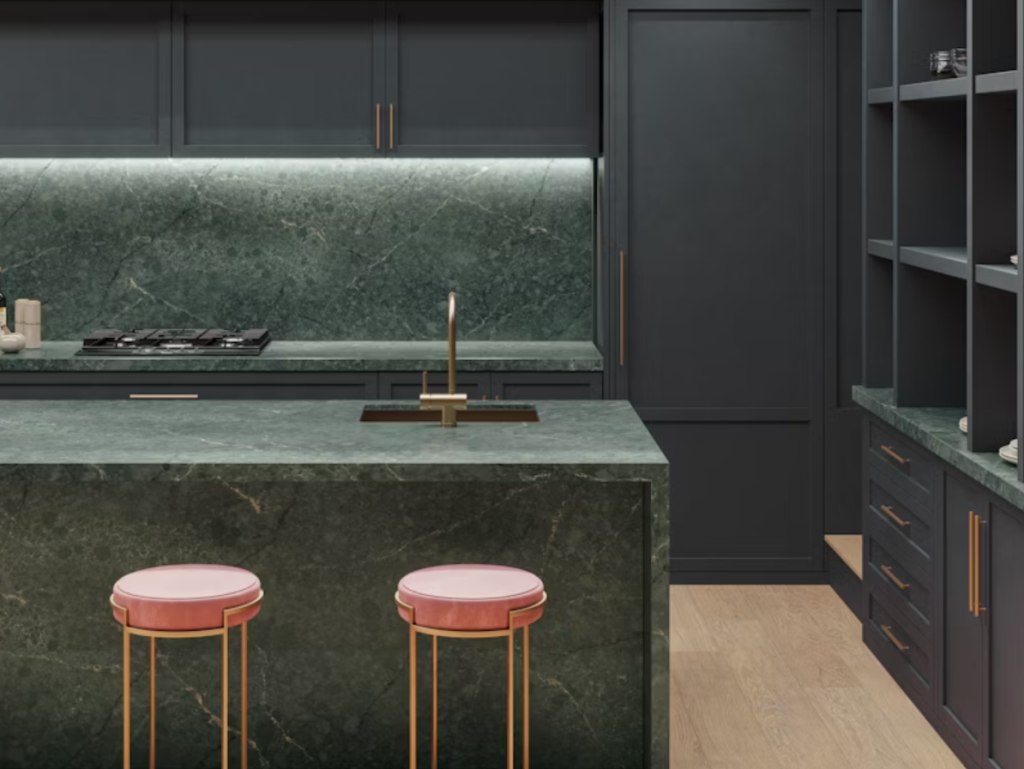
Granite: The Fireborn
Remember, granite was born in fire. It was formed from molten lava. A roasting tin at 200°C is nothing to a rock that was born at 1,200°C.
You can, generally speaking, place hot pans directly on granite without damaging the stone itself. It won’t melt. It won’t burn.
- The Caveat: While the stone won’t burn, the sealant might. Extreme heat can sometimes damage the protective layer you applied, leaving that spot vulnerable to stains later. Also, thermal shock (going from freezing to boiling instantly) can theoretically crack any stone, though it’s rare with granite.
Quartz: The Plastic limit
Quartz contains resin (plastic). Plastic melts.
Most quartz manufacturers state their products are heat resistant up to around 150°C. That sounds high, but a hot pan straight off the hob or a tray from the oven can easily exceed that.
If you put a scorching hot pan on quartz, you risk “thermal scorching.” This isn’t a crack; it’s a burn mark where the resin has changed colour (usually turning white or yellow). Once you burn the resin, you can’t fix it. It’s permanent damage.
The “Trivet Rule”
Ideally, you should always use a trivet or a hot rod board, regardless of what worktop you have. But let’s be real—life happens. If you accidentally set a hot pan down on granite, you’ll probably get away with it. On quartz, you might ruin the surface.
🏆 Winner: Granite.
It’s the undisputed king of heat.
4. The “School Run Stress”: Durability and Toughness
Your kitchen sees action. Kids drop mugs. Laptops get tossed onto the island. Someone decides to hammer a nail into a school project using a tin of beans.
Both materials are incredibly hard. On the Mohs scale of mineral hardness (where a Diamond is 10 and Talc is 1), Quartz is a 7 and Granite is usually a 6 or 7. For context, stainless steel is about a 5.5. Neither of these surfaces will scratch from a kitchen knife. In fact, if you chop vegetables directly on them, you will ruin your knife, not the worktop.
Cracking and Chipping
- Granite: Being natural, it has natural fault lines and fissures. While it is hard, it’s also brittle. If you whack a heavy cast-iron Le Creuset pot against the edge (the most vulnerable part) of a granite worktop, a chunk can chip off.
- Quartz: Because it is engineered, it has a bit more “flex” than natural stone. The resin binding makes it slightly more forgiving against impact. It is harder to chip and much harder to crack.
Sunlight (UV Resistance)
This is a niche one, but important if you have a kitchen with massive bi-fold doors, skylights, or if you are planning an outdoor BBQ kitchen.
- Granite: Totally UV stable. It sat outside as a mountain for a million years; a bit of British sunshine won’t hurt it.
- Quartz: The resin in quartz reacts to UV light. Over time, direct sunlight can cause the colours to fade or the white resin to turn yellow. However, Diresco manufactures quartz worktops with UV-resistant resin, their killer app to counter this problem specifically.
⚖️ It’s A Draw.
Quartz wins on impact resistance (less chipping), but Granite wins on UV stability and scratch resistance, generally speaking.
5. The “Wallet Watch”: Cost Analysis (2025/2026 UK Prices)
In the past, granite was the luxury option and quartz was the cheaper alternative. Today, the lines are blurred. In fact, premium quartz often costs more than standard granite.
Here’s a rough guide to what you might pay in the UK market currently.
| Material | Price Tier | Approx Cost per m² | Why? |
|---|---|---|---|
| Granite | Entry Level | £300 – £400 | Common colours (speckled greys/blacks). Abundant supply. |
| Quartz | Entry Level | £300 – £450 | Standard colours, plain whites/greys. |
| Granite | Mid-Range | £450 – £650 | more interesting movement, rarer colours (Blues, deep Reds). |
| Quartz | Premium | £500 – £700+ | “Marble-look” quartz, complex veining, brand names (Silestone, Caesarstone). |
| Granite | Exotic | £800+ | Rare stones (e.g., Blue Bahia), semi-precious inclusions. |
The Hidden Costs
When budgeting, don’t just look at the “per metre” price. You need to factor in the fabrication:
- Cutouts: An undermount sink (where the sink sits under the stone) requires a polished hole. This will cost extra.
- Drainer Grooves: Those fancy grooves next to the sink to let water run away? Charged by complexity.
- Upstands: The little border of stone that goes up the wall? Charged per linear metre.
Value for Money: Granite is often cheaper for “basic” black or grey speckled worktops. However, if you want the trendy “white marble” look, Quartz is almost always cheaper than buying actual marble (which is terrible for kitchens anyway, too soft) and is competitive with high-end granite.
⚖️ It’s A Draw
Winner: Granite for budget entry-level. Quartz for consistency at the mid-range.
6. The Aesthetics: The Look of the Thing
This is subjective, but crucial. You have to look at this surface every day for the next 15 years.

The Case for Granite: “The Real Deal”
Granite has depth. When the light hits it, you can see into the crystals. It looks three-dimensional. Because it’s natural, you might find random beauty marks: a cluster of quartz here, a vein of feldspar there.
- Pros: Unique. High-end natural feel. Hides crumbs well (the speckled patterns are great camouflage for messy families!).
- Cons: You can’t control the look. The sample you see in the shop might look different from the slab that arrives at your house. You might hate a specific “blob” of colour in the corner.
The Case for Quartz: “Clean and Contemporary”
Quartz is consistent. If you pick a sample in the showroom, your worktop will look exactly like that sample. It’s perfect for modern, sleek kitchens.
- The “Fake” Debate: In the early days, quartz looked like crushed up gravel in concrete. Today, technology is incredible. Manufacturers can print veins that look like Calacatta marble or industrial concrete. However, to a purist, it can sometimes look a bit “flat” compared to the depth of real stone.
- Pros: Huge colour range (soft greys, earthy browns, pure whites, matte blacks). Consistency.
- Cons: Can look repetitive if you have a huge kitchen (you might see the pattern repeat). Visible seams are sometimes more obvious on plain colours.
🏆 Winner: Subjective.
Traditionalists love Granite. Modernists love Quartz.
7. The “Lazy Weekend”: Maintenance and Care
We all want a beautiful kitchen, but nobody wants a worktop that requires a manual to look after.

Living with Granite
- The Sealing Ritual: You need to seal granite. It sounds scary, but it’s not. It’s basically wiping a liquid on with a cloth, waiting 10 minutes, and wiping it off. You need to do this roughly once a year (or when water stops beading up on the surface).
- Daily Cleaning: Warm water is best. You have to be careful with acidic cleaners. Do not use vinegar, lemon juice, or harsh bleach sprays, as they can dull the sealant over time.
Living with Quartz
- The “Fit and Forget”: You never need to seal quartz. Ever.
- Daily Cleaning: Warm water. You can be a bit more aggressive with cleaning sprays (though check the manufacturer’s label), but you still want to avoid high-pH chemicals like oven cleaner or paint stripper, which can damage the resin.
The “Repair” Scenario
What happens if you chip it?
- Granite: A stonemason can fill a chip with coloured epoxy and polish it. Because granite is speckled and chaotic, the repair is usually invisible.
- Quartz: You can also fill chips with resin, but because quartz is often one solid colour or a consistent pattern, repairs can sometimes be more visible to the naked eye.
🏆 Winner: Quartz.
The “never seal” promise is a huge selling point for busy parents.
8. Environmental Impact: The Green Question
For the eco-conscious family, this is a tricky one.
Granite:
- The Good: It’s natural. Minimal processing (just cutting and polishing). It lasts forever.
- The Bad: It is heavy. Shipping heavy stone from Brazil or India to the UK has a massive carbon footprint. It is a finite resource.
Quartz:
- The Good: Many UK suppliers use recycled content (glass, porcelain, old mirrors) in their quartz. It’s often manufactured closer to home (Europe), reducing shipping miles.
- The Bad: The manufacturing process is energy-intensive (crushing, heating, pressing). The resin is made from petroleum by-products.
⚖️ It’s A Draw
There’s no clear saint here. Between the two stones, local sourcing matters more than the material type.
9. Conclusion: Which One is Right for Your Family?
If you’ve read this far and are still torn, let’s simplify it with a final “personality test” for your kitchen.

Choose GRANITE if…
- You’re a purist. You love the idea of having a natural material that no one else has.
- You’re a baker or chef. You put hot pans down without thinking and roll pastry directly on the cold stone.
- You have an outdoor kitchen. It won’t fade in the sun.
- You don’t mind a 10-minute job once a year. Sealing isn’t hard, but you have to remember to do it.
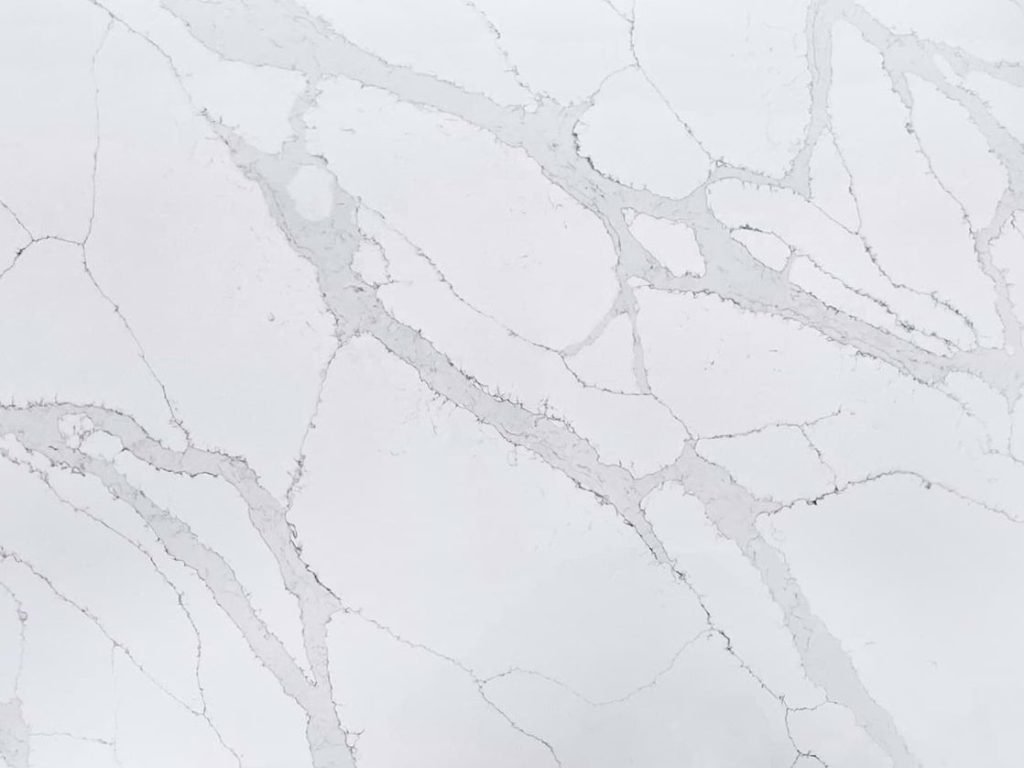
Choose QUARTZ if…
- You have young, messy kids. You want to wipe up Ribena and curry without a panic attack.
- You want a specific look. You want a pure white kitchen or a concrete look without the hassle of real concrete.
- You want low maintenance. You want to install it and never think about it again.
- You have a modern design. The clean lines and consistency suit contemporary British homes perfectly.
The Final Verdict for Busy Families
For the vast majority of busy British households, Quartz is the slightly smarter choice. The combination of stain resistance, hygiene, and zero maintenance usually outweighs the heat resistance benefits of granite. Life is messy; your worktop shouldn’t stress you out.
However, if you fall in love with a specific slab of Granite, that swirling, galaxy-like piece of rock that looks like art, buy it. Just buy a good set of trivets and a bottle of sealant to go with it.
 Concrete-effect
 Granular
 Industrial-effect
 Marble-effect
 Solid Colour
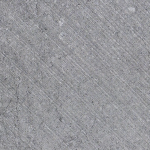 Stone-effect
 Terrazzo
 Wood-effect
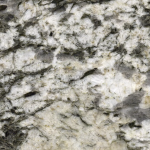 Natural Granite
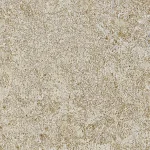 Natural Limestone
 Natural Marble
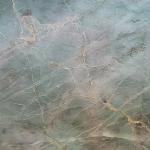 Natural Quartzite
 White
 Grey
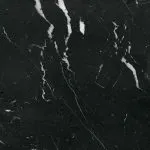 Black
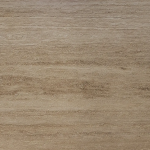 Beige
 Brown
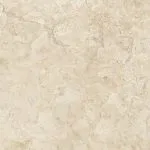 Cream
 Off-white
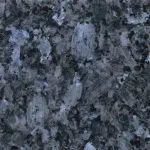 Blue
 Gold
 Yellow