
Neolith stone surfaces have become a go-to choice for homeowners, architects, and designers seeking a balance of durability, beauty, and versatility. Combining cutting-edge technology with natural materials, Neolith delivers a solution that enhances both functionality and aesthetics.
In this comprehensive guide, we’ll explore everything you need to know, from their composition and benefits to applications, pros and cons, and more.
What Is Neolith?
It’s a high-performance sintered stone crafted using 100% natural raw materials like clay, feldspar, silica, and mineral oxides. These ingredients are subjected to extreme heat and pressure to form a compact, non-porous surface.
Key Features:
- Durability: Resistant to scratches, stains, and impacts.
- Non-Porous: Prevents bacteria build-up, making it hygienic and easy to clean.
- Heat and UV Resistance: Ideal for both indoor and outdoor use.
- Eco-Friendly: Made from recyclable natural materials with minimal environmental impact.
Whether for residential or commercial applications, Neolith surfaces stand out as a versatile, low-maintenance option.
Why Choose Neolith Stone Surfaces?
1. Design Versatility
Neolith offers an impressive range of colours, textures, and finishes, including options that mimic wood, stone, and concrete, blending seamlessly with virtually any design style, from minimalist modern to rustic traditional.
2. Durability
Its robust structure makes it ideal for high-traffic areas and heavy-use applications. Resistant to wear and tear, it maintains its appearance for years without the need for constant upkeep.
3. Low Maintenance
Cleaning is a breeze—warm water and mild detergent are usually all that’s required. Plus, its non-porous nature means it won’t absorb spills or stains.
4. Sustainability
Neolith’s eco-friendly manufacturing process uses natural and recyclable materials, making it an environmentally conscious choice.
Applications of Neolith Stone Surfaces
Residential Spaces
- Kitchen Countertops and Splashbacks: Their heat and scratch resistance make it ideal for busy kitchens.
- Bathroom Vanities and Walls: Its water resistance ensures longevity in humid environments.
Commercial Spaces
- Retail and Office Interiors: Add elegance and durability to high-traffic areas.
- Hotel and Restaurant Design: Perfect for facades, flooring, and decorative features.
Outdoor Applications
UV and weather resistance make Neolith suitable for patios, outdoor kitchens, and building facades. Unlike natural stone, it won’t fade or warp under extreme conditions.

Pros and Cons of Neolith Stone Surfaces
Pros:
- High durability and resistance to scratches, stains, and heat.
- Suitable for indoor and outdoor use.
- Non-porous and hygienic.
- Available in a variety of colours, patterns, and finishes.
- Eco-friendly and sustainable.
- Easy to clean and maintain.
Cons:
- Higher cost compared to some traditional materials.
- Requires professional installation for best results.
- Limited local sourcing in certain regions.
- Uniform patterns may not appeal to those seeking a more natural look.
Solution: While the initial investment may be higher, its longevity and low maintenance can result in cost savings over time. Additionally, its design variety offsets concerns about uniformity.
Neolith Fabricators and Installers
Working with experienced fabricators and installers ensures your surfaces are cut and installed to perfection. Professionals can also guide you through design customisation, warranty details, and maintenance requirements.
What to Expect During Installation:
- Design Consultation: Choose from a wide array of colours and finishes.
- Custom Fabrication: Tailor the material to your specific dimensions and design preferences.
- Installation: Ensure precise handling and fitting to maximize the surface’s durability and aesthetics.
Cost and Value
While Neolith surfaces may have a higher upfront cost, their benefits outweigh the investment:
- Durability: Long-lasting with minimal maintenance required.
- Versatility: Suitable for a wide range of applications.
- Eco-Friendliness: An environmentally sustainable choice for conscientious buyers.
Costs can vary depending on size, customisation, and installation needs, so consult your installer for accurate pricing.
Frequently Asked Questions
1. How does Neolith compare to granite or quartz?
Unlike granite, it’s non-porous, making it more resistant to stains and bacteria. Compared to quartz, it offers greater heat resistance and a wider range of finishes.
2. Can Neolith be repaired if damaged?
While highly durable, chips or cracks may occur with extreme force. These can often be repaired by professionals using specialized adhesives.
3. What cleaning products are safe for Neolith?
Mild detergents and water are all you require for routine cleaning. Avoid abrasive cleaners to maintain the surface’s finish.
Conclusion
Neolith stone surfaces offer a unique combination of beauty, functionality, and sustainability. Whether you’re renovating a home or designing a commercial space, their durability, low maintenance, and versatile design make them an excellent investment.
If you’re ready to transform your space with the elegance of Neolith, contact us today for a consultation or a free quote.
 Concrete-effect
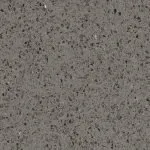 Granular
 Industrial-effect
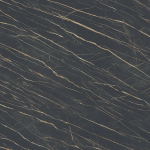 Marble-effect
 Solid Colour
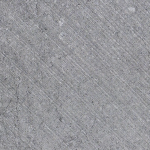 Stone-effect
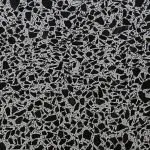 Terrazzo
 Wood-effect
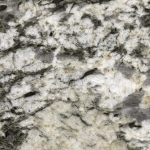 Natural Granite
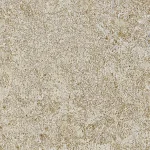 Natural Limestone
 Natural Marble
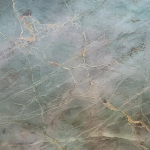 Natural Quartzite
 White
White Grey
Grey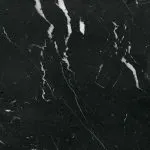 Black
Black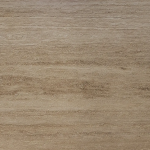 Beige
Beige Brown
Brown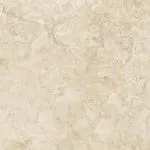 Cream
Cream Off-white
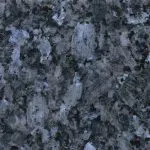 Blue
Blue Gold
Gold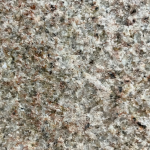 Yellow